Tree Removal In Four Corners
Safe Tree Removal Done Right, By Your Four Corners Neighbors.
Serving Bozeman, Belgrade, Livingston, Three Forks, Four Corners, Manhattan, Gallatin Gateway & Big Sky
Why Open-Lot Trees Along Huffine Lane Fail More Often Than You'd Expect
The stretch of open land running west along Huffine Lane toward the Four Corners intersection sits fully exposed to prevailing southwest winds with nothing to slow them down. If you have a large cottonwood or spruce tree on a lot out here, tree removal in Four Corners is a conversation worth having before the tree makes the decision for you.
Gallatin Valley soils can be shallow because of coarse alluvial gravel, cobbles, or shallow groundwater, which limits how deep a root zone can develop. A cottonwood that looks solid above ground may be supported by a surprisingly weak anchor below. Add a leaning tree to that equation, and you have a hazardous situation that wind can quickly accelerate.
Spruce trees along the Fowler Avenue corridor face a similar problem. Their naturally shallow root zone makes them more vulnerable to root stress and soil compaction than most people expect. A spruce that’s been fine for twenty years can become unstable after a single wet spring or a dry stretch that stresses the root plate.
Southwest Montana’s Trusted Arborists Since 2015


 Trustindex verifies that the original source of the review is Google.
 Trustindex verifies that the original source of the review is Google.

 Trustindex verifies that the original source of the review is Google.
 Trustindex verifies that the original source of the review is Google.
 Trustindex verifies that the original source of the review is Google.
 Trustindex verifies that the original source of the review is Google.
 Trustindex verifies that the original source of the review is Google.
 Trustindex verifies that the original source of the review is Google.
 Trustindex verifies that the original source of the review is Google.
 Trustindex verifies that the original source of the review is Google.
Most People Wait Too Long to Remove a Damaged or Declining Tree
A leaning or declining tree is often treated as a problem that can wait until it looks worse. That assumption is worth reconsidering. Tree dieback doesn’t pause while you’re deciding. Structural instability progresses quietly, and storm-damaged trees become significantly harder and riskier to remove once wood begins to decay, or root anchoring weakens further.
Along the rural residential lots transitioning from Bozeman into Four Corners along West Babcock Street, trees on open lots are regularly exposed to wind load with little protection. Dead branches and crown dieback are early warning signs that something in the tree’s structure or health has already shifted. If you’re noticing crown thinning or sections that stopped leafing out, that’s worth a tree health assessment before conditions change.
Structural pruning can sometimes extend the life of a partially declining tree. That window closes as decay advances. Catching a storm-damaged tree early means more choices, not fewer.
A professional assessment doesn’t commit you to removal. It just tells you where the tree actually stands.
What Rootbound Arborists Actually Do Before, During, and After a Tree Comes Down
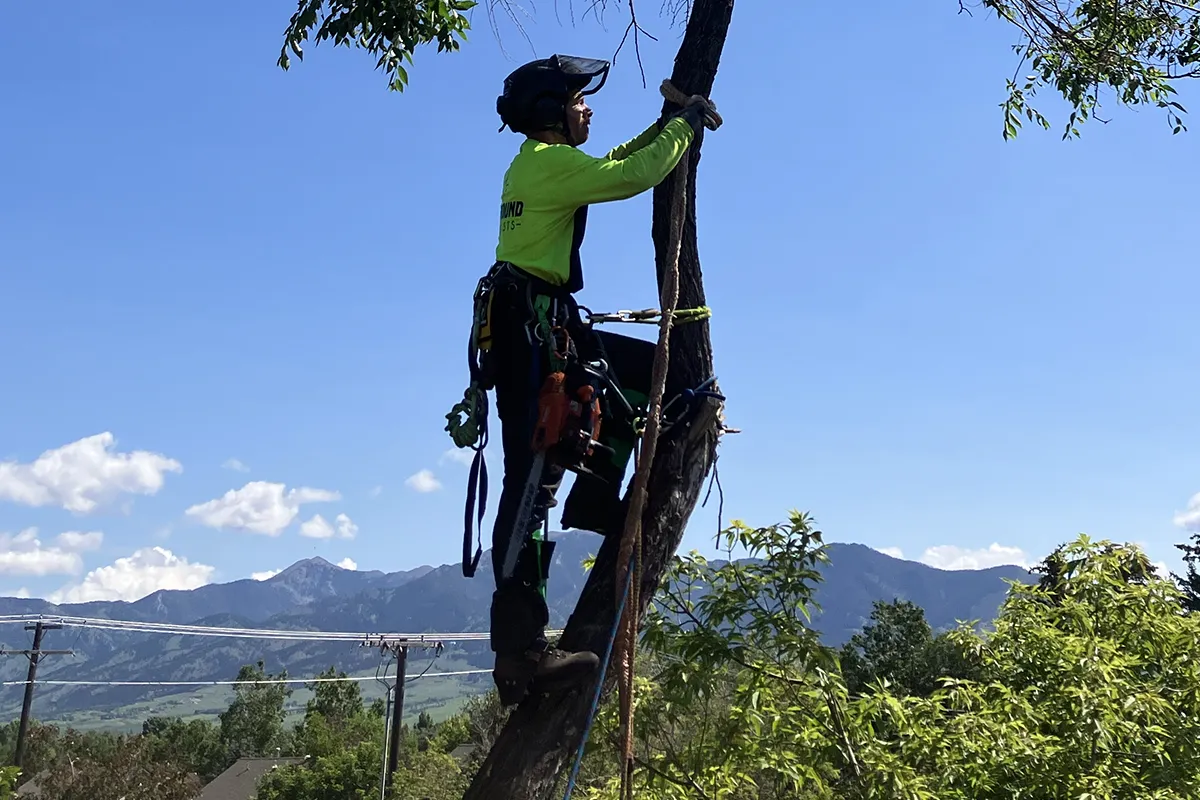
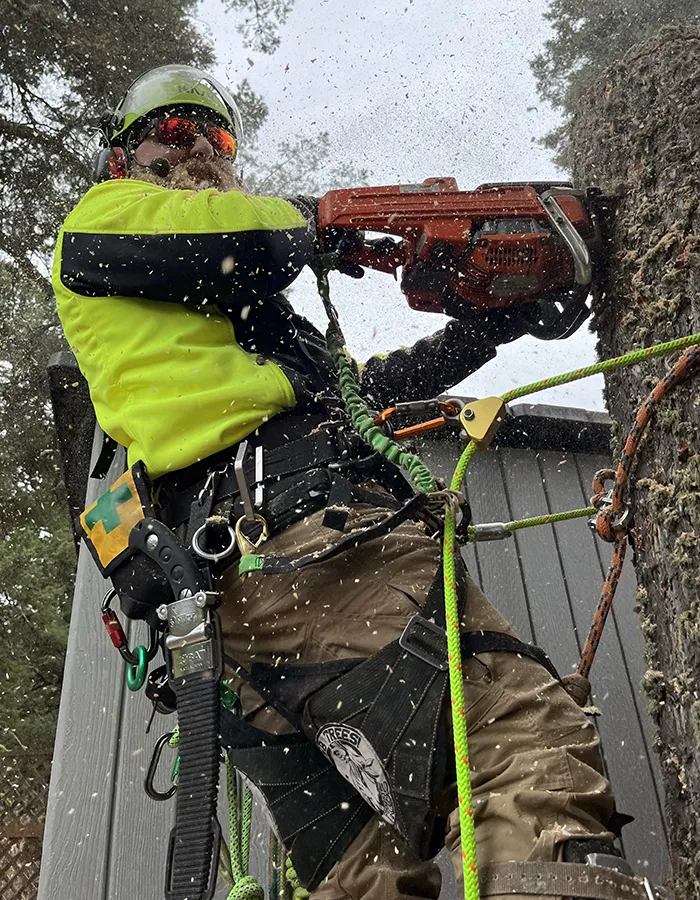
Every job starts with a site visit. A certified arborist walks the property, looks at the tree’s structure, checks the lean, and identifies what’s nearby – fence lines, outbuildings, parked equipment. That initial tree risk assessment shapes everything that follows, including how the tree gets taken down.
Along Jackrabbit Lane, where residential lots sit close to rural acreage, tight clearances are common. That’s where technical tree removal and tree rigging matter most. Rigging systems let the crew lower sections along a controlled path, keeping weight off a fence or structure below instead of dropping it and hoping for the best.
If you’ve got an open acreage lot or a shelterbelt that needs clearing, the same crew handles land clearing and acreage tree service work. No separate contractor to schedule.
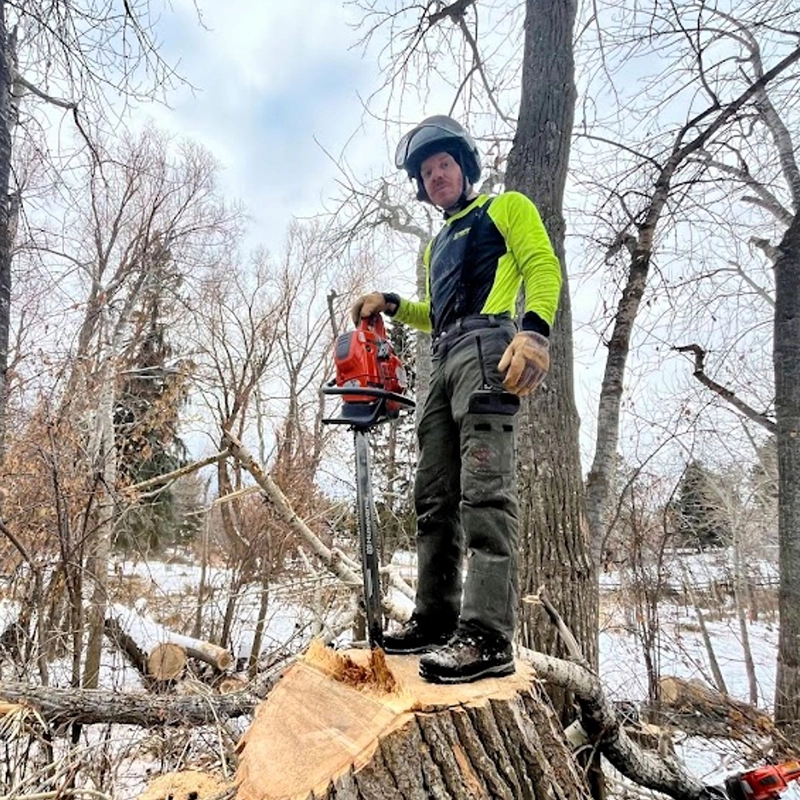
Once the tree is down, stump grinding takes care of what’s left at grade. Stump removal keeps the area clean and ready for whatever you plan to do with the space. Debris removal wraps up the job – wood, brush, everything goes.
One crew. One visit. Done.
ISA Certification and TRAQ Qualification Mean More Than a Business License
An ISA Certified Arborist carries a credential that requires passing a rigorous exam and ongoing continuing education. That matters in practice because it means the person assessing your tree can produce a formal, documented tree risk assessment, not just a quote. A TRAQ qualification takes that further, training arborists in a standardized methodology for evaluating failure potential and consequences.
If you’re on a rural lot west of Bozeman near the Four Corners intersection, that distinction is worth understanding. A general tree crew can tell you the cost of removal. A TRAQ-qualified arborist can tell you whether removal is actually necessary, or whether tree cabling and bracing might address the structural problem instead.
Formal risk assessment also connects directly to wildfire preparedness. Properties along Four Corners’ urban-rural interface benefit from documented defensible space planning and fire prevention strategies that reduce ladder fuels around structures. That’s a specific, actionable outcome a licensed, insured, certified arborist can provide.
Documentation matters for insurance purposes too. A written assessment carries weight that a verbal opinion simply doesn’t.
Getting a Free Estimate From a Local Crew That Knows Four Corners Properties
What to Expect When You Reach Out to Rootbound Arborists
Say you have a leaning tree on a rural lot and you’re not sure whether it needs to come down or just needs some attention. That’s exactly what a free estimate is for.
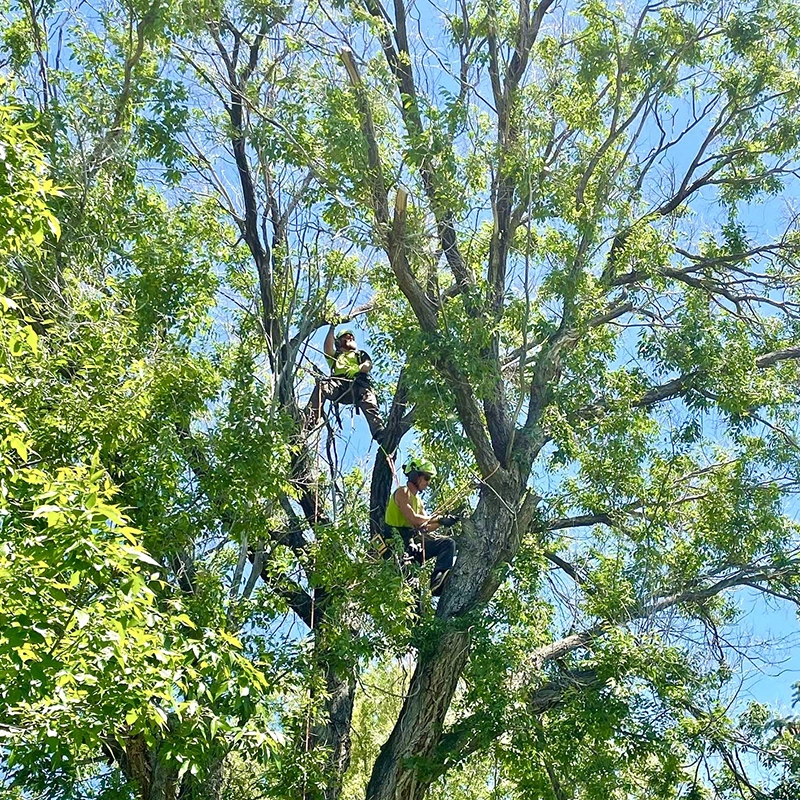
When you reach out, an arborist comes to your property. They inspect the tree in person, not a photo you sent from your phone. You get a straight answer on tree removal cost, what the work involves, and whether plant health care or tree trimming and pruning might address the problem instead.
This family-owned business is rooted in the Gallatin Valley. The crew serving Four Corners properties also handles residential tree service, shelterbelt clearing, brush clearing, and emergency tree service when something can’t wait. If you’re dealing with a storm-damaged tree right now, we offer same-day response.
If you’re not sure where to start, reaching out costs you nothing. A site visit gives you real information to work with.